1 Introduction
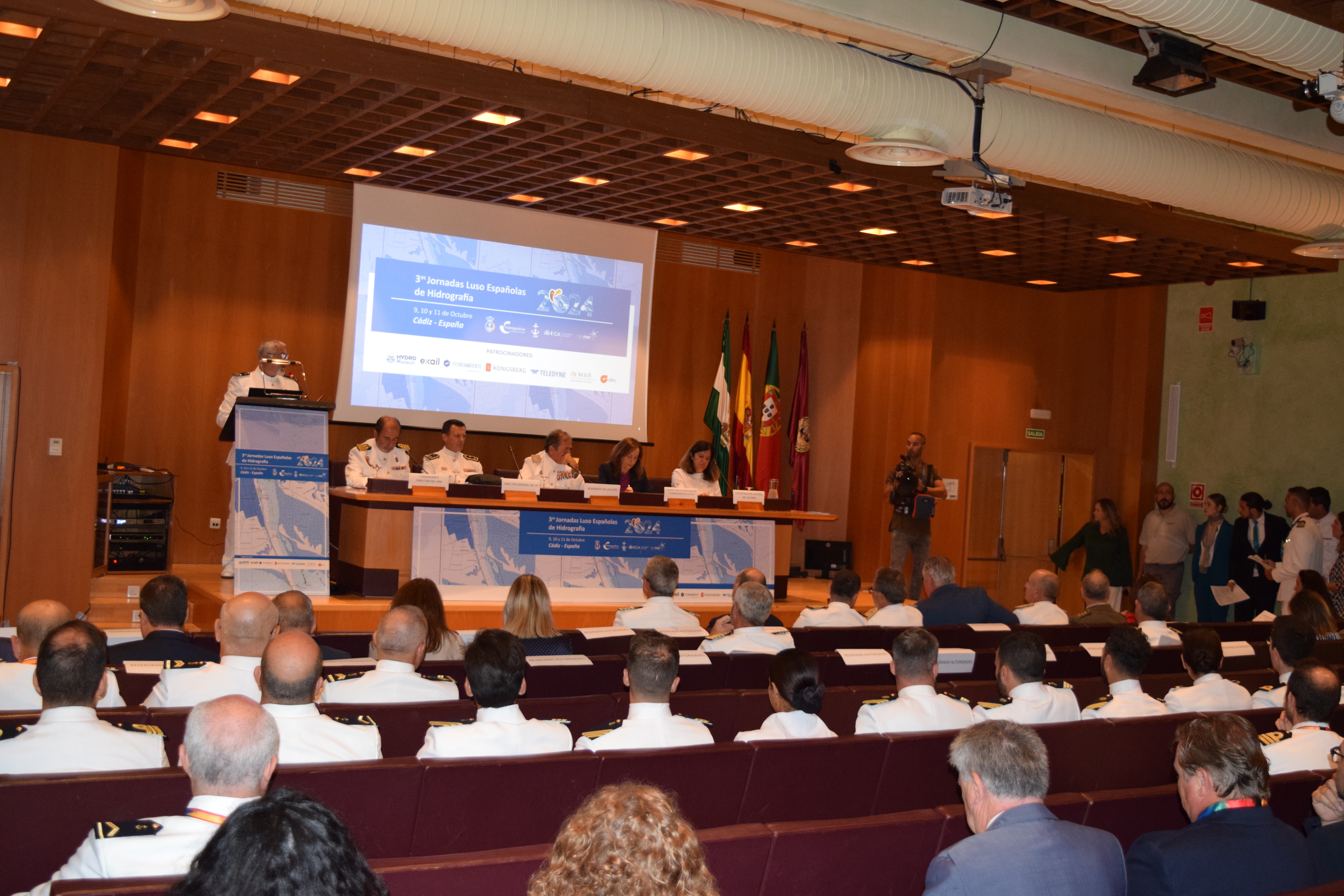
From 9 to 11 October 2024, the city of Cádiz hosted the Third Portuguese-Spanish Hydrography Conference (3JLEH; Fig. 1). For the first time since its creation, the conference was held on Spanish soil, marking a significant milestone in the history of Iberian cooperation in hydrography and marine sciences.
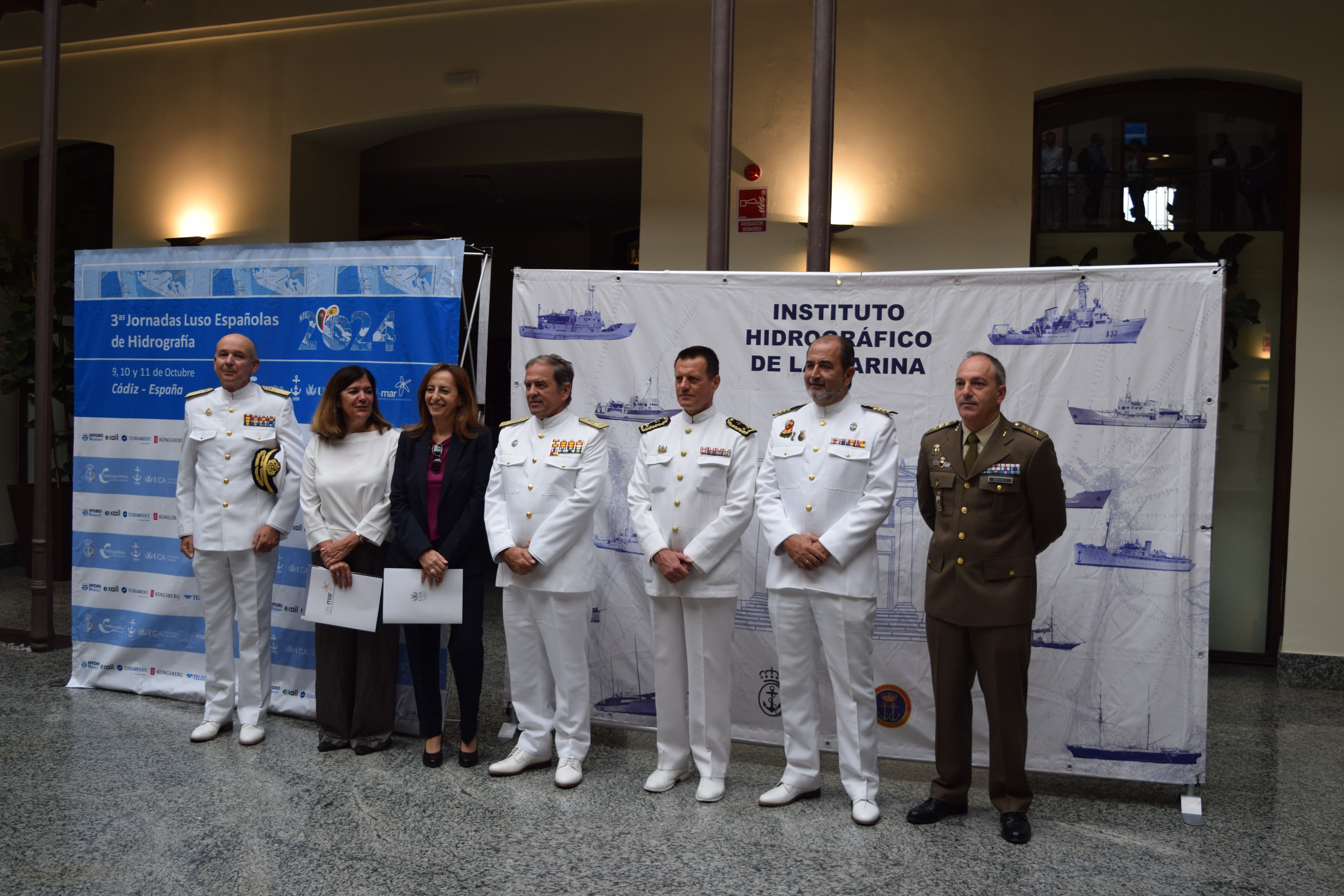
The event was jointly organised by the Instituto Hidrográfico de la Marina (IHM) of the Spanish Navy and the Portuguese Hydrographic Institute (PT-IH), with the collaboration of the University of Cádiz (UCA) and the International Campus of Excellence of the Sea (CEI·Mar). Together, these institutions provided a strong scientific, operational, and academic framework for the conference.
The 3JLEH brought together experts, researchers, naval professionals, and students to explore contemporary challenges and opportunities in hydrography and related maritime disciplines. The choice of Cádiz – one of Europe’s oldest cities and a historic maritime hub – was highly symbolic, linking centuries of nautical tradition with modern scientific and technological debate.
2 Hydrography in the 21st century: more than nautical charts
Traditionally associated with safe navigation through accurate seabed mapping and nautical chart production, hydrography has evolved significantly in recent decades. The Cádiz conference clearly illustrated how the discipline now extends far beyond its classical role, intersecting with coastal management, marine geology, environmental monitoring, underwater archaeology, and the development of blue-economy initiatives.
Reflecting this evolution, the scientific programme was structured around twelve thematic areas: hydrography, cartography, navigation safety, maritime services, oceanography, marine geology, marine environmental chemistry, marine pollution, marine technologies, marine geospatial data infrastructures, underwater archaeology, and blue economy. This multidisciplinary approach positioned the 3JLEH as a platform not only for technical exchange, but also for broader reflection on the future of marine science, sustainability, and coastal resilience.
3 Organization, context and the significance of Cádiz
Four key institutions convened the conference (Fig. 2). The IHM and PT-IH, as the national hydrographic authorities of Spain and Portugal, respectively, represent long-standing partners with a shared responsibility for navigation safety and marine knowledge. Their collaboration with UCA and CEI·Mar – both internationally recognized academic actors – ensured a balanced integration of scientific research, operational hydrography, and education.
Hosting the conference in Cádiz carried particular significance. Home to the Spanish Hydrographic Institute and shaped by centuries of naval activity, trade, and scientific exploration, the city embodies a deep and enduring connection to the sea. During the opening session, institutional representatives highlighted Cádiz’s maritime identity and its suitability as a meeting point for the Iberian hydrographic community. The event also marked a symbolic turning point, as it was the first Portuguese-Spanish edition held outside Portugal.
4 Attendance, expectations and community engagement
Interest in the conference was strong from an early stage. By July 2024, approximately 150 participants had registered, with attendance rising to nearly 200 over the course of the event. Participants included hydrographers, oceanographers, marine geologists, environmental scientists, technology developers, military personnel, and students from both countries.
This high level of participation reflected growing awareness of hydrography’s expanding role. Many of today’s most pressing marine challenges – coastal erosion, habitat degradation, pollution, and climate-driven sea-level rise – cannot be addressed without reliable bathymetric, sedimentological, and oceanographic data. The Cádiz conference underscored that hydrography is no longer a niche technical field, but a foundational component of marine science, public policy, and economic development.
5 Programme highlights: bridging science and society
Although the full proceedings have not yet been published, the programme featured a wide range of scientific presentations, technical workshops, and thematic sessions. Topics included advances in multibeam sonar systems, LiDAR coastal mapping, marine geospatial data infrastructures, and applications of hydrography in underwater archaeology.
A distinctive feature of the Cádiz edition was its strong public outreach component. Alongside the scientific sessions, the organisers arranged activities aimed at bringing marine science closer to society. Visitors were able to tour two research vessels: the Malaspina-class hydrographic vessel of the Spanish Navy and the UCADIZ research vessel of the University of Cádiz. These visits showcased modern hydrographic instrumentation, from echo-sounders to autonomous systems, and offered a tangible introduction to marine data acquisition.
Additional activities included static demonstrations of hydrographic equipment, exhibitions of historical nautical cartography, and educational sessions for students and families. This outreach programme reinforced a central message of the conference: understanding and protecting the sea is a shared societal responsibility.
6 Institutional significance and Iberian cooperation
The opening session featured high-level Spanish and Portuguese representatives from naval and scientific institutions, highlighting the strategic importance of the event. Their interventions stressed that hydrography is inherently international: coastal processes, pollution, marine ecosystems, and navigation safety transcend national borders.
As neighbouring maritime nations with shared Atlantic and Mediterranean responsibilities, Spain and Portugal have a long tradition of cooperation. The Cádiz conference further strengthened this partnership, particularly through the involvement of academic institutions such as UCA and CEI·Mar, opening new opportunities for joint research projects, staff exchanges, and training programmes. A recurring theme was the need to attract and train new generations of hydrographers, at a time when technological complexity and societal demand are rapidly increasing.
7 Opportunities and challenges ahead
The conference highlighted the growing need to integrate hydrography more closely with other marine sciences and with policy-making processes. In a context of accelerating climate change and increasing coastal pressure, hydrographic data is essential for coastal defence planning, marine spatial planning, port development, marine protected areas, and blue-economy strategies.
By fostering dialogue and cooperation among Iberian institutions, the 3JLEH laid the groundwork for coordinated surveys, harmonised cartographic standards, and shared geospatial data infrastructures, contributing to a more coherent and effective approach to marine governance.
8 Conclusion: a milestone for Iberian marine science
The Third Portuguese-Spanish Hydrography Conference stands as a milestone for the scientific and maritime communities of Spain and Portugal. It reflects a modern vision of hydrography—technologically advanced, multidisciplinary, and socially relevant. By choosing Cádiz as its host city, the conference bridged historical maritime heritage with contemporary scientific exploration. By engaging both specialists and the public, it narrowed the gap between expert knowledge and societal awareness.
The legacy of the 3JLEH is clear: hydrography is no longer limited to nautical charts. It is a cornerstone of marine sustainability, coastal resilience, and the scientific, economic, and cultural relationship that Iberian societies maintain with the sea.
9 Historical evolutions of the conference
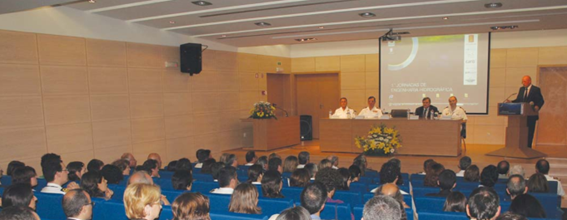
Created as the Hydrographic Engineering Conference in 2010 by the Portuguese Hydrographic Institute, the event emerged as a national forum dedicated to scientific and technical reflection on hydrography and marine sciences. Its first edition, held in the context of World Hydrography Day and the 50th anniversary of PT-IH, established a biennial platform for knowledge exchange and professional interaction (Fig. 3).
Between 2012 and 2018, the conference expanded steadily in scope, participation, and international visibility. Initially national in focus, it progressively incorporated a broader range of disciplines –oceanography, marine geology, chemistry, and geospatial technologies – consolidating its role within the Portuguese scientific community.
A major turning point occurred in 2020 with the creation of the Portuguese–Spanish Hydrography Conference, reflecting formal cooperation between the Portuguese and Spanish Hydrographic Institutes. Despite the constraints of the COVID-19 pandemic, the hybrid format adopted that year demonstrated the resilience of the event. Subsequent editions in 2022 and 2024 strengthened Iberian cooperation and internationalization, with Cádiz hosting the first edition on Spanish territory.
10 Way ahead – 4th Portuguese-Spanish Hydrography Conference (2026)
The 4th Portuguese–Spanish Hydrography Conference will take place from 24 to 26 June 2026 in Lisbon, at the facilities of the Portuguese Hydrographic Institute (IH-PT), within the framework of the World Hydrography Day celebrations.
Jointly promoted by IH-PT and the Instituto Hidrográfico de la Marina, the conference will continue to serve as an open and interdisciplinary forum for scientific and technical exchange. The 2026 edition particularly encourages contributions that explore emerging and strategic interfaces between hydrography and other marine disciplines, with special emphasis on Marine Biology and Critical Submarine Infrastructures. These themes reflect the increasing relevance of ecosystem-based approaches, environmental monitoring, and the protection, resilience, and management of underwater assets essential to modern societies.
Researchers and practitioners from academia, public institutions, industry, and operational services are warmly invited to contribute to this forum dedicated to advancing marine knowledge and fostering sustainable and innovative solutions for the oceans.